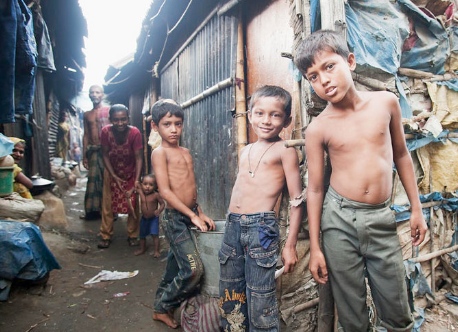
In the early 19th century, the United States was an economic backwater with relatively little influence on the rest of the world. There were certainly plenty of natural resources and there were agricultural crops such as cotton and tobacco that were valuable, but the economic centers of the world were in Europe. What happened over the next 150 years that transformed this country and created the highest standard of living in the world?
Things didn’t change because kindly Europeans sent poverty aid to help poor Americans. It changed because Americans took advantage of the opportunity to build businesses and produce valuable goods in ways that were unheard of until the Industrial Revolution. Americans harnessed the market — which was free to a great extent — in order to start up an economic engine that would become the envy of the world.
When we look at places in the world where poverty is crushing and the economy is crippled, why aren’t those people taking the same path that Americans took starting in the 19th century? And for those of us who have serious concerns about global poverty — both the human cost and the violence it brings — what can we do to change things?
Zachary Caceres is a researcher at the Free Cities Institute who’s traveled to poverty-stricken countries to study what factors are holding poor people back. I asked him what he sees and why the help that many westerners are trying to provide isn’t making a long term difference.
 As you grow, learn to let go of things that no longer serve you
 The moon represents what I seek, but words are all I can offer now
 What kind of person are you if there’s not a word to define you?
 THE McELROY ZOO: Meet Alex, the dog who was dumped with a bowl
 Cult’s targeting of family funeral points to folly of speaking for God
 Those of us eager to meet Jesus aren’t eager to depart this world
 When doubt wakes me at dawn, my world seems a lonely place
 What would it feel like to be alone and never again be heard?
 Unhappiness can’t hide forever when life has gone very wrong