
My name is David, and I’m a sugarholic.
I’ve battled for decades with an almost uncontrollable craving to eat sweet things at times. For the most part, I make a joke of it, simply because that’s the easiest way to deal with it. If I can’t get it under control, the least I can do is get a laugh about it, right?
I guess so, but I’ve been thinking about addiction a lot lately — of various kinds — and it’s really not funny. We can make an alcoholic into a joke in movies at times. And I can turn my “sugar addiction” into jokes. It’s a good way to deflect attention from the subject. It’s a good way to laugh about the battle that sees my weight go up and down, depending on what’s going on in my life. But it doesn’t do any good in the long run, because laughing about it isn’t filling the need that created the addiction in the first place.
As I’ve started talking about this more publicly, I’ve come to find that a substantial percentage of the people I know suffer from similar addictions. Everybody knows about alcoholics, because alcohol abuse is the most common addiction in the public mind. Fortunately, I never had to deal with that one. I’ve seen alcohol abuse in plenty of other people. I know of at least four people in my family who have had problems with it. When I was a teen-ager, I decided that the potential benefits of alcohol were tiny compared to the potential risk, so I never even started drinking. I think it’s a smart decision.
 Redemption of ’Bama’s Jalen Hurts illustrates what sports teach us
 We learn how to make a living, but not how to make a good life
 76-year-old George is a showman who loves making audience smile
 Taking Donald Trump seriously means ‘Idiocracy’ is already here
 Hostess shutdown shows strength of market, not reason to bash unions
 NOTEBOOK: Are Romney, Obama running for president or king?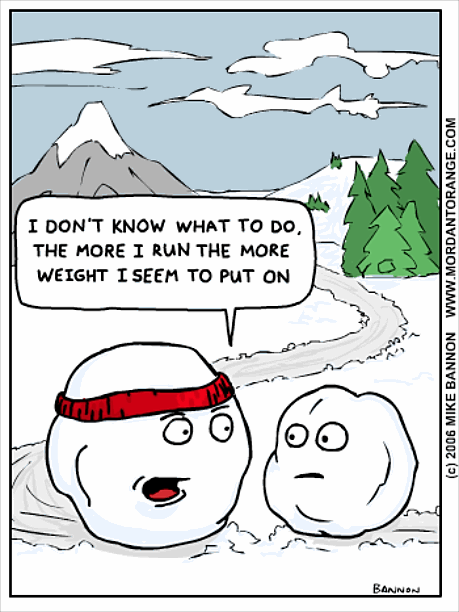
 My endorsement goes to the man who can make coercive state work
 VIDEO: Peaceful river reminds me we often miss the peace we crave
 Pursuit of dream pushes singer closer to stardom since we met