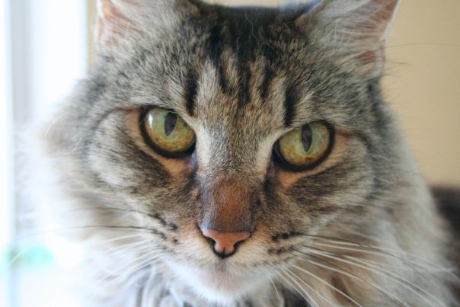
Thomas died just a few minutes before 5 p.m. If you missed it, I wrote about his health situation this morning. After I made a short video that I posted around noon, I put him down to rest in a place where I knew he enjoyed lying. He stayed there all afternoon and never got up again. He was 18 years old. I’ll miss him.
I’ve never cried about the death of a human, but I cry each time I lose one of my furry friends. It’s the price we pay for enjoying the years we have with them.
 Pearl Harbor: Simple sneak attack or culmination of FDR’s plan for war?
 Great men who change the world rarely look impressive from start
 Shockingly, it’s true: You can love liberty and still be a Jesus follower
 Reconciliation can start with the courage to make one phone call
 Am I betraying the truth if I don’t preach to the converted each day?
 Let’s reconnect with each other, not fall into dystopian Metaverse
 VIDEO: Was it ridiculous that I had to learn good manners as a child?
 Time for anger? Dissent is good, but ask what the dissenters stand for
 New information demands that I change some of what I think I am