Some enemies can mend fences and learn to love each other. With others, though, the animosity is too deep.

making sense of a dysfunctional culture
Some enemies can mend fences and learn to love each other. With others, though, the animosity is too deep.
 Everyone’s heard of Groundhog Day, but are you familiar with Ground Weasel Day? It’s actually much more important, but it’s mostly a political insider thing. I’m going to let you in on a little secret. Don’t tell anyone else.
On Feb. 2, a groundhog named Punxsutawney Phil comes out of the ground in Punxsutawney, Pa., to see whether he sees his shadow, which allegedly tells us whether there’s going to be six more weeks of winter or not. It’s a cute little legend, but who really cares? The important action comes the next day — Feb. 3 — every four years.
On the Feb. 3 of a presidential election year, a ground weasel named Backroom Bob comes out of a smoke-filled room and turns on a television set. He flips between various cable news networks these days, but he used to have to watch the evening news. Before there was television, he read morning papers.
Regardless of the era, though, it works the same way. Backroom Bob comes out on that day to sample the candidates for president and the amount of support they have among voters. He then gives his prediction for the next four political years.
I can’t give you Backroom Bob’s specific location, because they’d kill me if I went that far. But let’s just say that he’s located in a far darker corner of reality than you might like to realize exists in your political system. He lives in the smoke-filled rooms behind a certain seedy bar frequented by especially crooked political wheeler-dealers. As a ground weasel himself, he understands other weasels and doesn’t judge them for their base motivations and vile dishonesty. All weasels are like that, so he expects it.
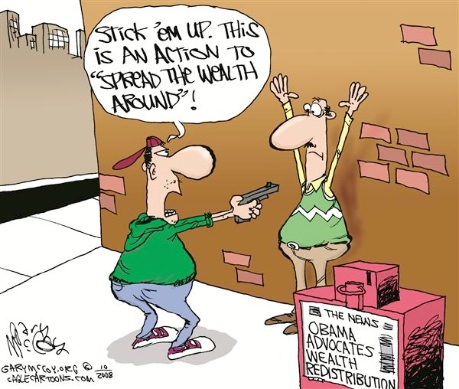
When you write a check to the IRS, is that charity? According to UK-based philosopher Alain de Botton, that’s what we should call taxes, because the word “tax” is “colorless, odorless and offensive.” Yes, he’s really serious.
Modern political language seems to be intended to conceal the truth rather than make facts clear. It’s no wonder that nobody can agree about what’s going on when almost everybody is busy redefining words to mean what he wants them to mean — in order to make a point.
For instance, in normal conversation, if you say that someone’s budget has been cut, those words have a specific meaning. The money in the budget is something less than it was before. In politics, though, it can mean something altogether different. A “budget cut” might mean that a budget went up — not down — but that the rate of increase wasn’t as much as had been previously planned.
This language is dishonest, and its intent is to conceal the fact that real overall budgets are almost never cut. Politicians can claim to have cut budgets, even though spending still goes up.
 Best ways for man to love woman flow from how he lives every day
 If you’re sure what’s important, everything else seems trivial
 The so-called ‘social contract’ is a sham to control you
 What’s your prediction for the future? (We’re probably both wrong)
 Idiots want people to have health care, but want others to pay for it
 It’s hard to take a scary chance, but success can be breathtaking
 I’m trying to silence inner critic who says I ought to be perfect
 Genuine love is always extreme — and it rarely makes any sense