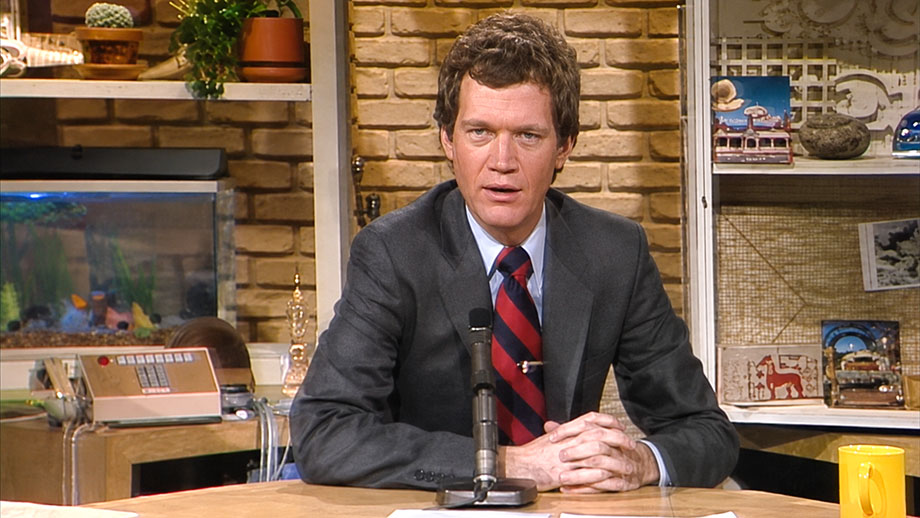
When I was in college, a morning television show debuted on NBC with a comedian I’d never heard of. His name was David Letterman.
I was soon skipping class to watch this show. It was unlike anything I’d ever seen. The comedy was original and irreverent. I kept trying to get other people to watch it, but nobody I knew was impressed. Pretty soon, it became clear that very few people anywhere were impressed. NBC quickly canceled a brilliantly funny show.
After Letterman eventually became a big star on late-night television, I read about why the morning show failed. Those inside the business said the comedy was simply too new and different for the audience that was watching morning television. Viewers who had grown accustomed to tuning in for game shows and soap operas weren’t ready for David Letterman’s wacky comedy.
Maybe you eventually liked Letterman. Maybe you didn’t. That’s not my point. It’s just that by the standards of the market he entered, his work was too different. It wasn’t what the audience wanted. And he failed.
But Letterman didn’t change his work after that to make the audience happy. He kept doing his wacky and irreverent brand of comedy. He worked hard and eventually earned a late-night spot on NBC. By then, a younger crowd had found him — and he became a wildly successful entertainer.
As I start making more video to post on YouTube, I keep thinking about Letterman. It’s not that I have his talent or that I’m even trying to be a comedian. It’s simply that I’m making something that’s different from the rest of what I see on YouTube — and I strongly suspect that a lot of people are not going to “get it.”
 Here’s Valentine’s Day music for lonely folks with nobody to love
 In a relationship, some words more important than ‘I love you’
 Path to loving a woman always starts with intimidation for me
 What are the odds that gambling improves your economic future?
 Reading through hundreds of my old articles has been unsettling
 Target’s ID requirement for cold medicine is invasion of privacy
 Lesson from U2: Rejection doesn’t necessarily mean it’s time to give up
 ‘Curing’ unpopular beliefs through psychiatry is throwback to ugly past
 No matter who you are or what you’ve done, time is your enemy


