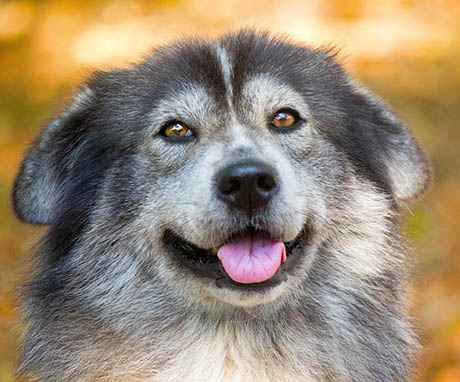
When a former neighbor asked me last year whether I was willing to adopt a dog who needed a home, I said no — and I was emphatic about it.
I already had more cats than I wanted to admit, so there was no room at the inn. I love dogs — and missed having them around, too — but I was determined not to have another dog as long as I was living alone. Dogs require a lot of work and since I no longer work from home, it didn’t seem fair to have a dog waiting all day for me to return.
I had absolutely no intention of adopting a dog yet. And that was final.
But one year later, my best canine friend is celebrating her first full year with me today. How did that happen?
 I’m struggling to bridge the gap between my need and my reality
 My reaction to man’s home taught me more about me than about him
 The plan sounded fair at the time, but why did I pay for everything?
 Shame of being imperfect creates pain and destroys possibilities
 Some of us feel rage at authority, even as disobedience can hurt us
 I’m still the kid who might burn your clubhouse if you cross me
 As I quietly watch my world burn, I’m painfully aware this isn’t fine
 Human life has no meaning without ‘irrational knowledge’
 EU Nanny State bans young kids from evil balloons and whistles