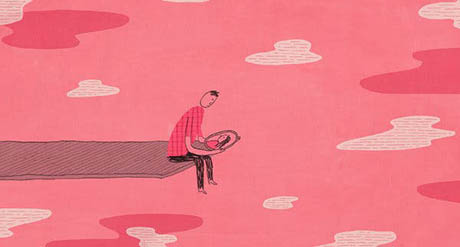
UPDATE: For about 18 hours, I thought I had made a serious mistake at work last month that had sent a couple thousand dollars to the wrong party. When a problem was discovered last night, the data available to us in our accounting system made it seem certain that I had made that error. I felt sick. I was humiliated. Even though I’ve handled hundreds of real estate transactions for my company — millions of dollars — without ever making an error, I felt shame that I had made this one mistake. But it turns out that an anomaly in our accounting software was hiding the truth. Once I got to the office Thursday and reviewed the paperwork from the transaction, I discovered that I had done everything correctly. It’s great that I didn’t make the mistake, but it would be even better if I could learn not to have such horrible physical reactions of shame and fear just because someone else believes I’ve made an error. The fear of being flawed is very powerful for me. Old programming from childhood is hard to change.
Pursuit of perfection leaves me feeling shame when I’m flawed
I’m terrified of not being perfect.
Admitting that scares me. Talking about the concept makes me look around to make sure nobody is listening. I don’t want to talk about it, because I know my beliefs about it are contradictory and self-defeating. It’s even worse to admit this to you.
I found out Wednesday night that I made a mistake at work last month. I sent a couple thousand dollars that should have gone to one company to somebody else instead. I’ll go over a transaction in detail at the office tomorrow to be sure, but I’m almost positive I screwed something up.
The problem can be fixed, so nobody’s going to lose any money, but I am humiliated. It happened because we don’t have adequate controls in place for this one particular thing, but I’m still the one who failed to handle this one transaction in a different way.
You see, I’m not supposed to make mistakes. Never.
Briefly: Demeaning behavior by parents can lead kids to become bullies
How do children turn into bullies? New evidence suggests that it might start at home, with parents who mock or show contempt for their children. You’ve probably seen parents who demean or belittle their children in ways that humiliate and frustrate them. I certainly see it, sometimes from parents who are just mean and other times from parents who humiliate their children with insults disguised as humor. The study by researchers in the United States, Canada and Sweden found that this sort of parent often responds to child engagement with criticism, sarcasm, put-downs and hostility. There was also a strong correlation between this problem and the tendency to rely on emotional and physical coercion to force compliance from children. This sort of parental behavior often leads to “dysregulated” anger in children, and it’s indicative of difficulties with regulating negative emotions, verbal attacks, physical aggression and hostility. Children who are victims of this sort of parenting are at a greater risk for becoming bullies and for becoming “bully-victims,” which are bullies who are victimized by other bullies. I was controlled with lot of demeaning and humiliating behavior from my father as a child, so I can definitely understand what this does to adolescents.
Briefly: State lotteries are hypocritical and exploitive shams
Briefly: Interview with Danny Elfman about music for ‘The Nightmare Before Christmas’
Briefly: I’m fond of finding new ways to express what my heart needs to say
We’re neither friends nor enemies, just strangers who share the past
‘This path leads to somewhere I think I can finally say, I’m home’
Society needs storytellers to help make sense of a changing world
Briefly: Education consultant learns his daughter’s kindergarten teaches reading nonsense
Briefly: My yard looks nicer than it did before Harvey came over
Briefly: Join me for a relaxing 60 seconds of springtime in the South