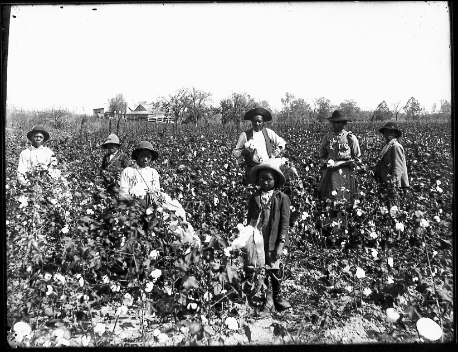
If you were a slave owner in the United States in the 19th century, you probably owed your wealth and continued income to the continuation of slavery. If someone made the case to you that slavery was morally wrong, your first thought probably would have been, “But if we free the slaves, who will pick the cotton?”
The idea of ending slavery was a scary thing to many people in Europe and North America in the 18th and 19th centuries. Many people owned human beings who had been brought from Africa in chains. Those people worked in their fields and did all sorts of manual labor for them. The idea was deeply ingrained in society and it was accepted by many people as right and moral.
The abolition movement was a challenge to all of that. The abolitionists didn’t try to explain to plantation owners how they could earn a living after the slaves were freed. They couldn’t offer completely pragmatic plans for how society was going to go through the transition from slavery to universal equality of rights among races.
They simply made the case that slavery was a moral abomination. Some of them used gentle persuasion. Some of them preached fiery sermons, but still advocated peaceful change. And some, such as John Brown, tried to spark slave rebellions through violent means.
 Would you secretly kill someone to get what you want the most?
 After chimp’s mother died, mama dog raised baby as one of her pups
 Youth and death are bookends pointing toward truth between
 When will you admit that a constitution can’t control state?
 If he cheats at Cracker Barrel, he’ll eventually cheat you, too
 I feel anger toward those who casually resent life I wish I had
 Ethicists argue for killing newborns, say it’s just as moral as abortion
 Goodbye, Daddy
 Narrow focus causes one to see a specific tree and miss the sunset