One of my neighbors died two weeks ago today, but I didn’t know about it until a few hours after he was buried — four days later.
I’d lived across the street from William for many years. He’s cut my grass several times. I’ve given him rides to the store. I’ve chatted with his wife, Anna, and him when I’ve bumped into them at the grocery store. Every now and then, he would come over as I was getting home, just because he wanted someone to talk with.
So why did it take me so long to find out that William had died? And what does this imply about modern communities?
Every indication I see or read says that communities haven’t been as strong for the past couple of generations as they once were. Those same decades have been filled with incredible advancements in our living standards and options about life. Could it be that the choices we’ve been making are filled with tradeoffs that we’re not entirely sure we’re making? I suspect so.
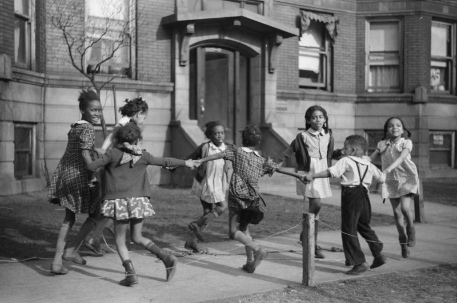
At one time, the people in communities and neighborhoods had to know one another, because they were all they mutually had. They didn’t have cars to drive to places across a city or state. They spent most of their time within a short distance of home.
They stayed outside more, because it wasn’t that long ago when normal people didn’t have air conditioning. (And it wasn’t too many years before that when air conditioning didn’t exist. I don’t know how people lived in the South at the time.) Children played outside. Adults worked outside and they sat around on porches and talked when they weren’t working.
 As sowing comes before reaping, culture comes before politics
 In cold and dehumanized culture, many yearn to feel human again
 THE McELROY ZOO: Like most cats, William is a very curious fellow
 HUMOR: The senator chooses between heaven and hell
 I can’t help wanting to replay life with emotionally healthy parents
 Baby girl murdered by own father is reminder to stay away from abusers
 Face of a stalker? At Florida school, it’s ‘stalking’ to speak of karma
 When love finally dies, it’s like a fever breaks and the pain is gone
 Sex and outrage trump free speech, according to Birmingham politicians