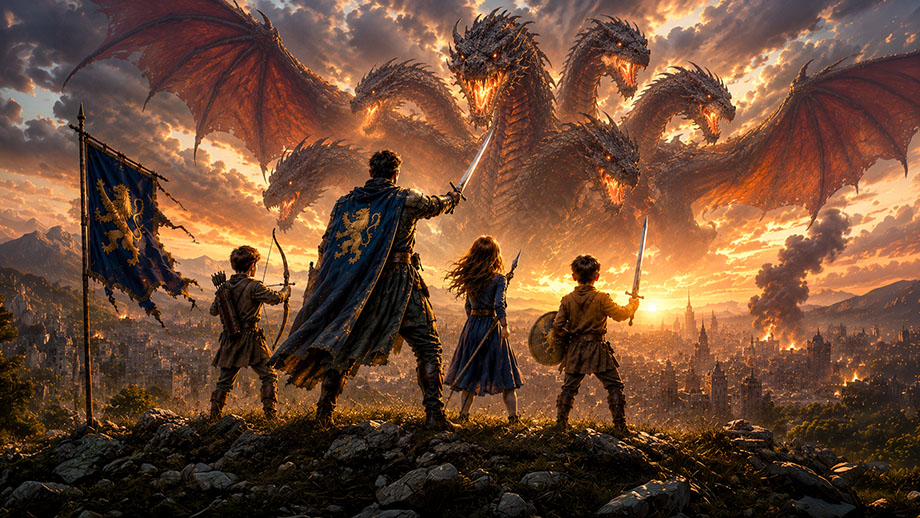
I overheard two couples talking today about what a terrible time it is to be bringing children into this world.
“The world’s going to hell in a handbasket,” one of the men said. “You can’t do anything about it and your kids are going to end up rotten and screwed up from the drugs and peer pressure on TikTok and stuff. We wouldn’t have had kids if we’d known it would be this bad.”
The others seemed inclined to agree. For a couple of minutes, they talked about the bad influences that had affected their children — teen-agers, it seemed — from schools and social media.
It wasn’t my conversation, so I didn’t interrupt. I agree with them that the world is messed up. Western culture has become horribly dysfunctional, even though most people are too intimidated to be honest about what they see going on. There are deadly problems facing us everywhere — intellectual, cultural, moral, economic and more. These problems are fire-breathing dragons who threaten us all.
But I kept thinking about some words I read the other day:
“Never feel sorry for raising dragon-slayers in a time when there are actual dragons.”
 Unexpected phone call can turn world from happy to miserable
 Theocracy? Secular liberty? Something else? Why not all of ’em?
 Democrats to Cory Booker: There’s no room for honesty in politics
 I’m still the kid who might burn your clubhouse if you cross me
 False dichotomy: Your choice isn’t coercive state vs. lawlessness
 Get rid of celebrities and politicians; this is the kind of news I still want
 As our heroes grow old and die, it’s a reminder of our mortality
 Goodbye, Charlotte (2009-2016)