
I used to be arrogant enough to believe that my death one day would be front page news all over the world.
I imagined all the great things I would have done by the time I died — the political power I had won, the businesses I had built and the influence I had had — and I thought that many millions would mourn me. I even thought I’d make the history books.
I have a very different view today of my obituary. I haven’t yet had the great success of my fantasies — not yet — but a summary of my life would sound interesting and successful. I had a wonderful run in newspapers, starting from reporter and quickly rising to publisher. I got into politics by accident and had a couple of decades of financial success getting candidates elected to powerful positions. I’ve owned small companies. I’ve made money and lost it. The story would be colorful.
But the one thing I now realize is most important to this earthly life would be missing. If I died today — which I certainly don’t expect anytime soon — a brutally honest obituary might say, “A lot of people liked him. A number of people will miss him. But he died without anybody who loved him. He died alone, with no family.”
And that feels like failure.
 I finally know why I feel like a fraud when people say I’m smart
 Future reality starts in what we believe inside about who we are
 ‘Resisting arrest’? When police have wrongly invaded your home?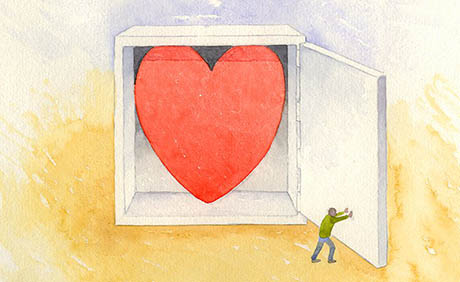
 If you’ve gotten on the wrong bus, nothing changes until you get off
 My programming from childhood still equates blame with shame
 As sowing comes before reaping, culture comes before politics
 I thought I saw her face — and I whispered, ‘Are you proud of me?’
 I’m the common denominator in all of my failed relationships
 The world becomes magical when the right person says, ‘I love you’