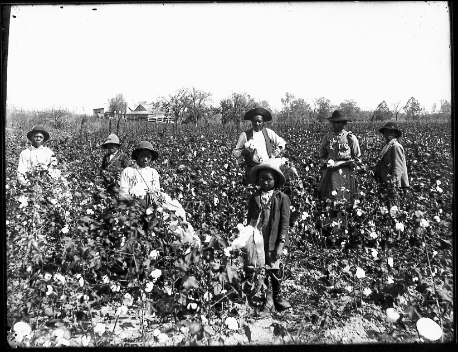
If you were a slave owner in the United States in the 19th century, you probably owed your wealth and continued income to the continuation of slavery. If someone made the case to you that slavery was morally wrong, your first thought probably would have been, “But if we free the slaves, who will pick the cotton?”
The idea of ending slavery was a scary thing to many people in Europe and North America in the 18th and 19th centuries. Many people owned human beings who had been brought from Africa in chains. Those people worked in their fields and did all sorts of manual labor for them. The idea was deeply ingrained in society and it was accepted by many people as right and moral.
The abolition movement was a challenge to all of that. The abolitionists didn’t try to explain to plantation owners how they could earn a living after the slaves were freed. They couldn’t offer completely pragmatic plans for how society was going to go through the transition from slavery to universal equality of rights among races.
They simply made the case that slavery was a moral abomination. Some of them used gentle persuasion. Some of them preached fiery sermons, but still advocated peaceful change. And some, such as John Brown, tried to spark slave rebellions through violent means.
 My love of ‘fur friends’ stems from the callousness I saw in my father
 Actions more important than words when judging what someone wants
 Why have I kept dreaming about baby in need for last two weeks?
 For me, Valentine’s Day seems to bring out my regrets every year
 Do great dreams really come true or do they just serve to haunt us?
 Some people hate their enemies so badly that fairness doesn’t matter
 Each experience of beauty and love stands alone, different from the rest
 Forces shaping America reward acting like angry sixth graders
 Constant quest for perfection leaves us confused and paralyzed