
Most people don’t begin to live until they know they’re going to die.
In 1952, Japanese director Akira Kurosawa explored that uncomfortable truth in his film “Ikiru,” which translates “to live.” The film opens with a quiet, devastating fact: Kanji Watanabe is dying. We know it before he does.
Watanabe has spent decades as a bureaucrat — a section chief in a city office — stamping papers, following procedure, preserving order. His wife is dead. He has devoted his life to saving money and providing for his son. He has done what was expected. He has been respectable. Responsible. Safe.
He has also been spiritually absent from his own life.
When he learns he has cancer and has only months to live, he feels hollow. The routines that once filled his days now feel meaningless. He first tries distraction and pleasure. That fails. Then, almost accidentally, he discovers something different: purpose. He throws himself into one small but meaningful public project and finds, at last, a sense of peace.
In the final image we see of him, he sits alone on a swing in the snow, softly singing a song from his youth about how brief life is. It is one of the most haunting scenes ever filmed — not because of tragedy, but because of clarity. He has finally awakened.
 Trendy ‘anti-racists’ don’t realize they’ve been conned by Marxists
 Ron Paul asks 31 tough questions that our politicians won’t answer
 Trivial distractions keep us from focusing on love and connection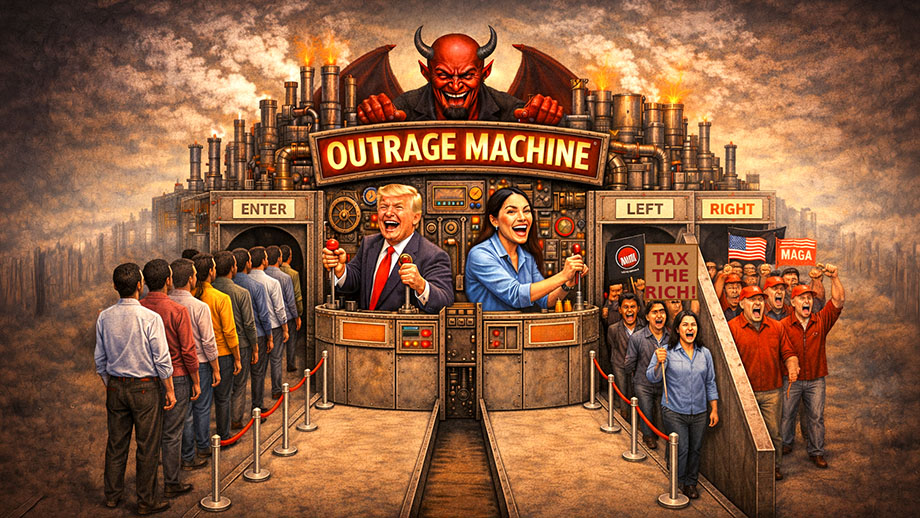
 As my path keeps changing, I can now admit my plans are useless
 Is Herman Cain guilty of sexual misconduct? I wouldn’t be surprised
 If you can’t change your life story, that narrative will become destiny
 Why does the mainstream ignore those whose predictions were right?
 Nothing new here: Russell Brand pushing same old socialist idiocy
 Being in love shows us who we can choose to be at our very best