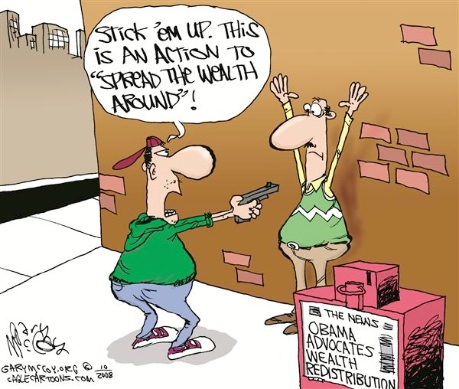
When you write a check to the IRS, is that charity? According to UK-based philosopher Alain de Botton, that’s what we should call taxes, because the word “tax” is “colorless, odorless and offensive.” Yes, he’s really serious.
Modern political language seems to be intended to conceal the truth rather than make facts clear. It’s no wonder that nobody can agree about what’s going on when almost everybody is busy redefining words to mean what he wants them to mean — in order to make a point.
For instance, in normal conversation, if you say that someone’s budget has been cut, those words have a specific meaning. The money in the budget is something less than it was before. In politics, though, it can mean something altogether different. A “budget cut” might mean that a budget went up — not down — but that the rate of increase wasn’t as much as had been previously planned.
This language is dishonest, and its intent is to conceal the fact that real overall budgets are almost never cut. Politicians can claim to have cut budgets, even though spending still goes up.
 How can I share what’s obvious when nobody will listen or see?
 As communists gain strength, things could go from bad to worse in Russia
 Federal debt default? So what? It happened before — in 1979
 THE McELROY ZOO: Meet Merlin, the wizard who almost disappeared
 Widow: ‘Things that mattered yesterday do not matter today’
 In bad times, human nature starts looking for some new scapegoats
 Beauty and love are all around us if our eyes and hearts are open to them
 Ban on saggy pants: Why do we require laws against looking foolish?
 Libertarian freedom vs. conservative tradition leads to culture clash