
For almost all of human history, survival itself required effort. Not ambition. Not self-actualization. Not fulfillment. Effort.
If you didn’t work, plan, improvise and endure, you didn’t eat. If you didn’t cooperate with others, you didn’t last long. If you weren’t resourceful, disciplined or at least lucky, your life ended early and harshly.
That reality shaped us. It shaped our bodies, our minds and our sense of who we were. For tens of thousands of generations, human beings learned something fundamental about themselves: I can do hard things — and my life is better because I did them.
That knowledge wasn’t philosophical. It wasn’t abstract. It was visceral. You could see it in the shelter you built, the crops you harvested, the animals you raised, the children you kept alive. Effort led to results, and results led to confidence. Self-esteem was not something you talked about. It was something you earned.
Then, slowly at first, and then very quickly, everything changed.
 Her cat’s presence brings comfort to grandmother dying in hospital
 When strangers tell us things we want to hear, we want to believe
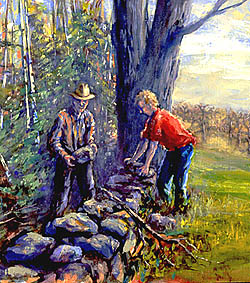 Practically and legally, it’s true: Good fences make good neighbors
 We’re trapped in our own heads, fearful of other folks’ judgment
 Tenn. woman threatened for allowing daughter to ride bike to school
 Goldwater led to Reagan Revolution; What might Ron Paul’s legacy be?
 THE McELROY ZOO: Meet Lucy, the dog who used to live on a chain
 Most prizes feel empty, because our real need is for connection
 Despite intentions, ‘net neutrality’ gives online control to politicians