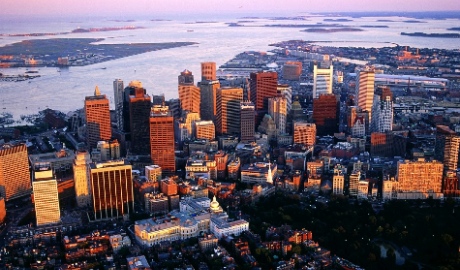
An explosion went off in Boston Monday. Three people were killed. Close to 200 more were hurt or maimed. That’s about the extent of what we can factually say about what happened toward the end of the Boston Marathon.
As soon as the news of the explosion came out Monday, people across the country started wildly speculating and making ugly accusations. On Facebook, I unfriended and blocked several people because of such nastiness. One faction claimed the entire thing was a “false flag” operation by the U.S. government. (Multiple Facebook groups were set up to make the claim, including this one.) Many people pointed to Middle Eastern terrorists. Still others, including an analyst on CNN, warned of “right wing extremists.”
It seemed that everyone had a political point to make — an accusation to hurl based on the political positions they already held. They were all looking at a virtual ink blot, but each one saw something based on the lens through which he was looking, not based on what was really there.
Back in 1996, there was a bombing in Atlanta during the summer Olympics. A security guard named Richard Jewell was treated as a suspect. He was first called a hero, but police came to suspect him. Media hounded him like hungry wolves. Jewell’s life was destroyed. Eventually, he was cleared. He had had nothing to do with the attacks, but police and media couldn’t take back the ugly and baseless accusations. They couldn’t give Jewell his life back.
 THE McELROY ZOO: Meet Henry, the tiny kitten who was dumped with a broken leg and a big heart
 Lesson from U2: Rejection doesn’t necessarily mean it’s time to give up
 How we live our lives can allow us to redeem dark family history
 Banning access to guns won’t prevent the evil in human hearts
 Nobody has the right to a position in your life which you don’t want
 Deadly sugar-filled diet choices mean slow suicide for millions
 Dirty little secret: Politicians have incentive to whip up your fears
 After chimp’s mother died, mama dog raised baby as one of her pups