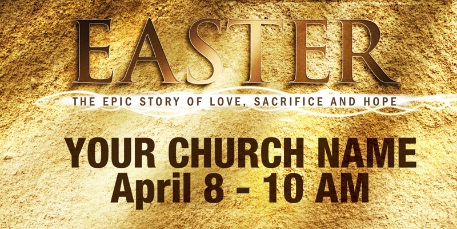
When I was about 24, I got a contract to produce a marketing campaign for a large church in Tuscaloosa, Ala. I wasn’t really qualified for the work — especially the television and radio portions — but one of the deacons involved in the selection process was the father of a friend of mine. He asked if I was interested and then set up a meeting with the pastor. I somehow talked my way into the contract.
At the time, I was convinced that churches needed to be using clever and impressive modern advertising to grab the attention of people who didn’t normally attend church. That’s what every modern organization did, so it seemed to make sense to me. I wanted churches to dump their staid old images and be creative in their graphics and copywriting. That approach sold Coke, Tide, Rolaids, Pepto Bismol, Dial soap and Chevrolets. Surely we ought to be doing the same thing.
My advertising campaign was a failure. The TV commercials were generic and boring. (I still have them on old U-matic tapes somewhere.) The radio spots were adequate but forgettable. The flyers for posting on college campuses were actually pretty decent, but I’m not sure anything was ever done with them. And the half page ad in the newspaper was a disaster because the local newspaper flipped my sunrise picture — what a cliche — and the picture and the copy didn’t match.
At the time, I blamed the relative lack of success of the campaign on my inexperience and poor execution. But as I’ve observed church marketing over the years — and thought a lot about why churches do the things they do and what they’re supposed to become — I’ve completely changed what I believe. I’ve decided that all of my beliefs about church “marketing” were wrong.
 Love & Hope — Episode 6:
 ‘Hey, do you already have a wife? My mom doesn’t have a husband’
 Goodbye, Courtney Haden
 Why do we allow fear to make us hold onto things we should let go?
 Is Big Brother taking over your refrigerator and other appliances?
 Unjustified panic: Why are you so scared of all the wrong things?
 Idiots in Congress haven’t heard of ‘law of unintended consequences’
 This burning question divides us: Why can’t you people be like me?
 What books would you recommend for someone who’s just given up on the state?