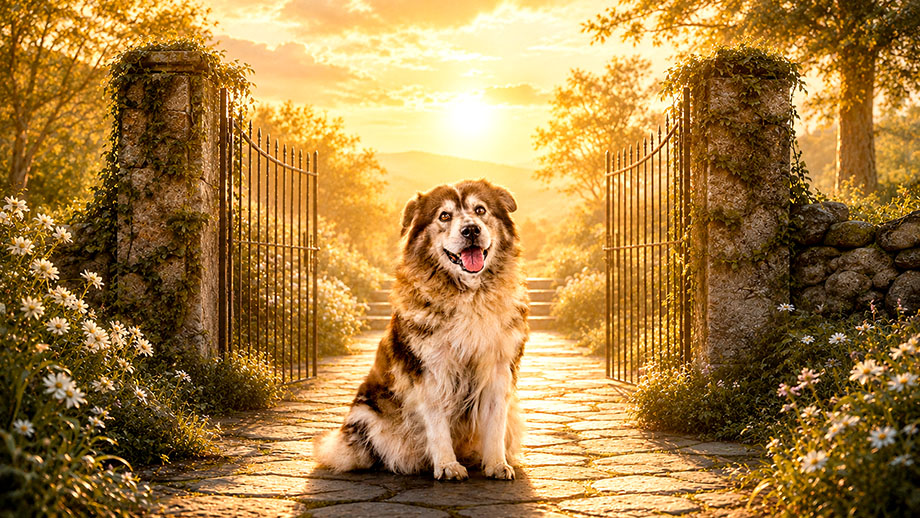
It’s been six months since I lost Lucy. I like to believe she’s patiently waiting at the gates of heaven — ready for the reunion when I meet her again one day.
I still think about this sweet and faithful companion every single day. If you’ve ever had a dog who you loved, you’ll understand.
When I put the key into my front door when I return home each day, part of me still waits to hear the sound of her tail hitting the door as she realizes I’ve returned.
When I get up in the morning, part of me still feels compelled to get her leash and take her for the first walk of the day — something she loved so much. At night, part of me wants to take her for one last walk before bed, because each walk made her so happy.
But I can’t do those things, because the World’s Happiest Dog isn’t here anymore.
 As I grow and learn, I have to leave more of my ideas behind
 To escape hate, turn off media and deal with others in love, kindness
 Schools’ one-size-fits-all rules are just excuse not to use judgement
 Each loss makes me feel grateful for the irreplaceable ones I love
 Love & Hope — Episode 6:
 My unconscious choices on love say much about women and me
 A ‘faux father’ loves being adored, but a real father is there full-time
 Are these guys anarchists or just punks who want to destroy things?
 My friends stepped up in a big way when I needed their help for Bessie