
It’s Memorial Day in the United States, a day we set aside to remember men and women who’ve died in wars. Politicians make a lot of speeches today and lay a lot of wreaths, but the best way to honor the fallen would be to quit using the men and women of the military as expendable pawns in a global game for world influence.
There’s something honorable about fighting for something you believe in, and I respect the dedication and bravery of many thousands of those who’ve died. But since we can’t bring them back to life (and we can’t change the horrors they lived through), the best we can do is change how the U.S. government conducts itself around the globe so that fewer Americans will join the ones being honored today in military cemeteries — and fewer loved ones will face living without them, as the woman in the picture above had to do when her fiance was killed in Iraq in 2007.
Even if we set aside the question of the legitimacy of the state, there’s much to be gained from making U.S. foreign policy less intrusive and less aggressive. It’s not the business of the U.S. government what happens around the world, and it’s not U.S. taxpayers’ responsibility to pay for whatever happens elsewhere. It’s not U.S. soldiers’ legitimate role to die invading countries which haven’t invaded their homeland.
 Nobody’s perfect as a mate, but Mary Poppins was pretty close
 It’s best to focus on future, ’cause dead past is a ‘bridge to nowhere’
 My future plans are solid, but intuition says prepare for change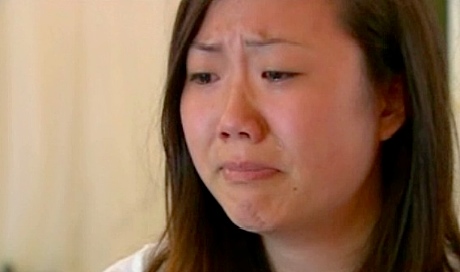
 No one will really notice except me, but a good friend of mine is dying
 What do I really want in life? Honestly? I want your attention
 Free phone wasn’t worth keeping,
 Identity politics is the cancer behind Elizabeth Warren’s lie about ancestry
 Sex and outrage trump free speech, according to Birmingham politicians
 Pursuit of dream pushes singer closer to stardom since we met


