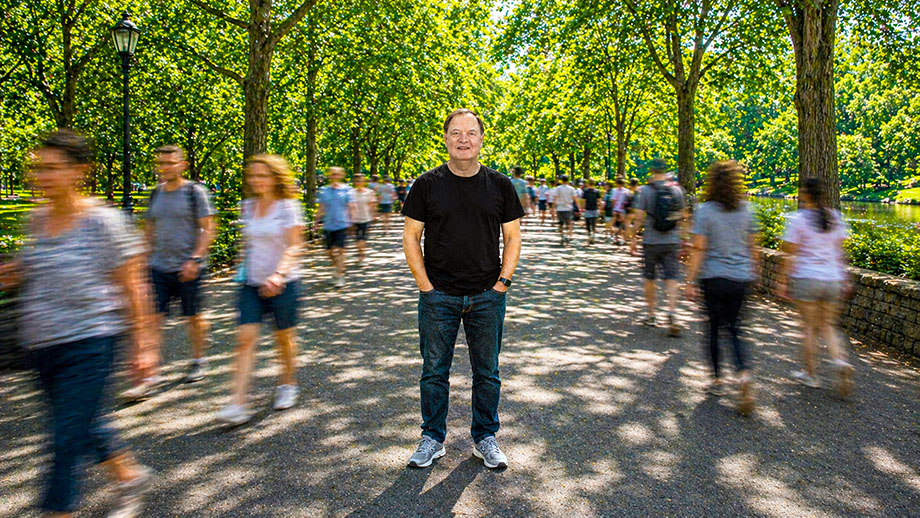
I stood in a park near my house the other day and watched people.
It was a normal scene. The new leaves of spring made the trees look green. The light came through in soft patches. People moved in both directions — talking, laughing, walking with purpose. Nothing about it would have caught anyone’s attention.
I was standing right in the middle of it.
I wasn’t pushed aside. Wasn’t ignored. Certainly wasn’t rejected.
But I didn’t feel part of the scene. I didn’t feel like those people. I somehow wasn’t one of them.
I could hear pieces of conversations as people walked past. I could tell who was relaxed and who was distracted and who was in a hurry. There was nothing unfamiliar about what I was seeing.
It felt like a scene that I was close enough to recognize, but not close enough to step into. I didn’t know how to belong there.
When I was younger, I would have reacted to that feeling differently. I would have felt some combination of frustration and anger. I would have assumed something needed to be fixed — either in me or in the world around me.
I would have tried to close the gap. I don’t feel that way anymore.
 Even when we’re right, criticism stems from our own insecurities
 Why are churches only talking about freedom as it relates to abortion?
 Shingle reminds me what it felt like for someone to believe in me
 AUDIO: Partnership idea sounded great, but it was just a dead end
 Unexpected phone call can turn world from happy to miserable
 Alternative cultures exist because mainstream culture is alienating
 If you want to honor military dead, stop supporting unnecessary wars
 Google’s geeks offer future vision that leads toward inhuman world
 Black? White? Brown? Santa Claus is any color you want to make him