
It’s a staple of science fiction for a robot to dutifully obey its programming and keep performing the task it was given long after its designers are dead and the task is useless.
One of the most emotionally satisfying tales of this sort is Pixar’s 2008 film “WALL•E.” For 700 years, this little robot has been alone on Earth cleaning up the trash humans left behind when they left the planet. It’s a useless job at this point, but it’s the job he’s been given, so that’s what he does — day after day and year after year.
WALL•E’s human creators are long gone but he doesn’t question what he’s been programmed to do. Over the centuries, though, he develops curiosity and something in him finds the awareness that something isn’t quite right.
WALL•E realizes he’s lonely — something his programmers never prepared him to deal with. When another robot finally shows up on the planet, he falls in love. That love for another robot gives him the incentive to go beyond his programming — to find ways to fill a need he didn’t know he had — but it requires him to give up the task he had been mindlessly doing for all those years in order to pursue Eve instead.
 Why can beauty hurt so much? Why do I see her face in the sky?
 My father taught me not to trust; that’s been very tough to change
 ‘American Idol’ reveals more about our society than we’d like to admit
 ‘Breaking Cat News’ is amazing art and evidence of dreams come true
 Having a bad day? Meg gives you free smiles at the Rainbow Shop
 Continued collapse of competence points toward decline of a culture
 Want to change your life forever? Pursue growth with your partner
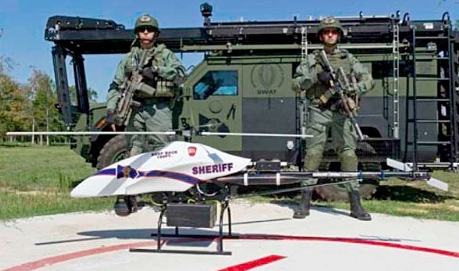 Police or storm troopers: What’s become of U.S. law enforcement?
 Leave your dead past behind; that’s not where you’re going