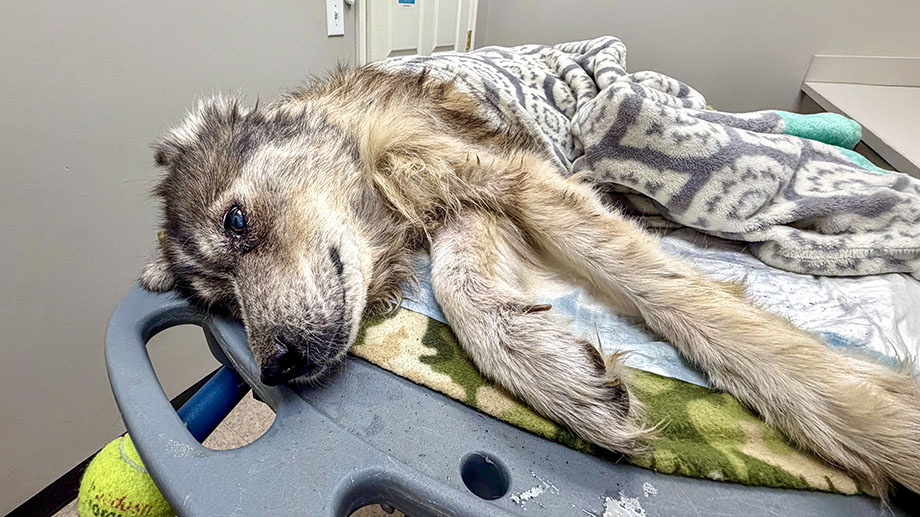
In the end, it was cancer that took Lucy from me.
I don’t want to talk about this, but I can’t help but tell the story. I can’t speak the words without breaking down, so I’ve told nobody so far. I’ve already given you the big picture view of losing her very early this morning, but here’s how the last day of her precious life really went.
I had known for months that Lucy was declining, so I’d been preparing myself. She didn’t have any symptoms of anything wrong out of the ordinary, but I’ve been through enough death with dogs and cats to recognize when the end is approaching.
Each time I returned home from work this past week, I feared that I would find her dead. I had the same fears about her each morning when I woke up. I knew it was that close. I knew it was inevitable.
I was surprised when she made it to another weekend, but I was overjoyed to have a little more time with her. When Saturday started, though, I had no idea how much would change by the time my long day would end Sunday morning.
 Autumn color has finally arrived,
 How can people who care really help the billions mired in deep poverty?
 Keep your euphemisms straight: It’s ‘patriotism,’ not ‘nationalism’
 My future plans are solid, but intuition says prepare for change
 Attaining excellence may require some time in painful mediocrity
 We’re slowly losing our religion, but we manage to find new gods
 With changed priorities, it’s time to re-evaluate my long-term goal
 Modern life doesn’t have to be as complicated as we try to make it
 God watches humanity’s struggle and says, ‘You’re doing it wrong’