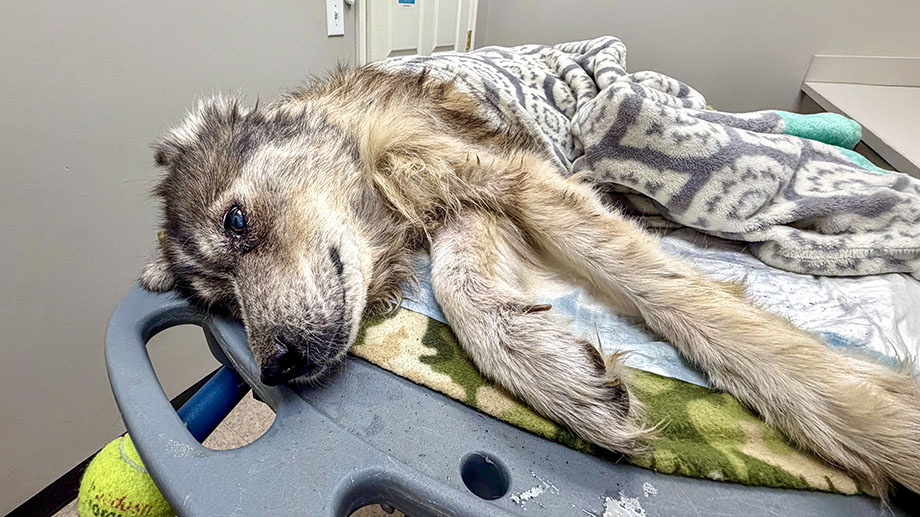
In the end, it was cancer that took Lucy from me.
I don’t want to talk about this, but I can’t help but tell the story. I can’t speak the words without breaking down, so I’ve told nobody so far. I’ve already given you the big picture view of losing her very early this morning, but here’s how the last day of her precious life really went.
I had known for months that Lucy was declining, so I’d been preparing myself. She didn’t have any symptoms of anything wrong out of the ordinary, but I’ve been through enough death with dogs and cats to recognize when the end is approaching.
Each time I returned home from work this past week, I feared that I would find her dead. I had the same fears about her each morning when I woke up. I knew it was that close. I knew it was inevitable.
I was surprised when she made it to another weekend, but I was overjoyed to have a little more time with her. When Saturday started, though, I had no idea how much would change by the time my long day would end Sunday morning.
 Angry and bitter people often misunderstand one another
 To stay sane during life’s battles, aliens need places of sanctuary
 Brush with high-speed blowout leaves me thinking about death
 Modern obsession with ‘hot girls’ teaches everybody to be shallow
 FRIDAY FUNNIES
 If voting really changed anything, governments would make it illegal
 Idiots in Congress haven’t heard of ‘law of unintended consequences’
 Just because we force people to vote doesn’t mean they’re going to be free
 Obama’s bad advice shows why politicians don’t ‘get’ bureaucracy