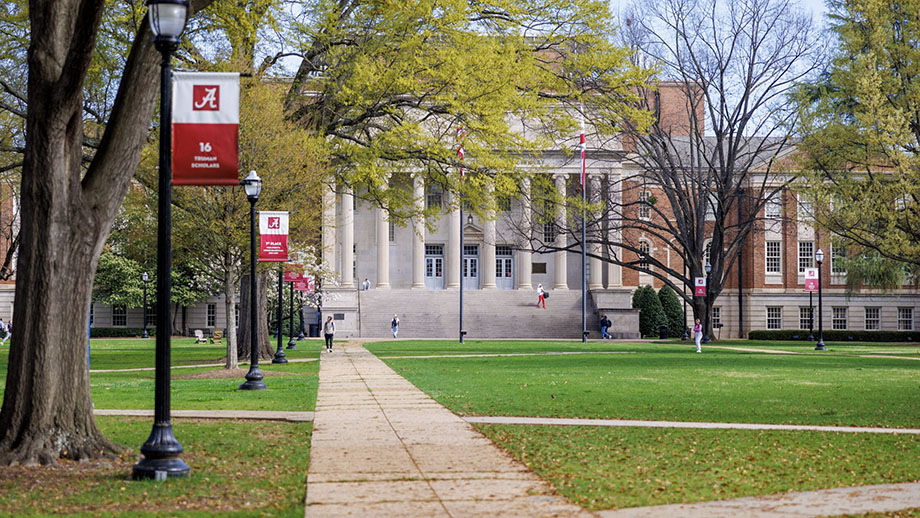
When I was growing up, I was often ambivalent about sports. By the time I was a student at the University of Alabama, I was borderline-hostile about the sports that were so important to my fellow students and many of the people around me.
I was in Tuscaloosa to learn, not to waste my time with something so brain-dead. That was what I told myself. I thought I was too good — too academically pure or some such — to care about a bunch of athletes pushing themselves around in the grass.
It wasn’t until about 10 years after I left college that I started to care about football and basketball. But let’s reword that. I didn’t suddenly discover that I loved these games or the intricacies of how they were played.
I discovered that I loved my university. Quite unexpectedly, I found that keeping up with these “childish games” gave me something I craved.
It wasn’t about football. It was a sense that I was a part of something much larger than myself.
When I watched the Alabama Crimson Tide — on the field or on the court — I realized that I wasn’t just rooting for athletes. I was experiencing pride.
This was my university. This was part of who I was.
 What if other people see you or hear you differently than you do?
 I quit striving to save the world and focused on changing myself
 Can AI ‘know’ you well enough to create a real personality profile?
 How one woman’s grand gesture for love turned into a nightmare
 I can force child to obey me, but obedience comes with high cost
 Another firm ‘going Galt’ as hedge broker blasts financial corruption
 California teacher union gets power to veto online college classes
 Ethnic Indian wins Miss America? Who cares? Bigots seem upset
 When governments keep secrets, you’re probably being lied to