 One of the biggest problems I see with extremely bright libertarians and anarchists is that they understand formal logic far better than they understand human psychology — and they tend to believe that logic is enough. Unless it changes, that mindset is always going to keep them from understanding people or changing the world.
What’s probably worse, it’s going to keep them from understanding themselves and being as happy as they should be.
I’ve struggled with the issue of balancing logic and emotion ever since I was a child. It didn’t start as a philosophical question. Instead, it all started with Star Trek’s Mr. Spock, who’s the personification of the ultimate rational creature.
Like so many nerdy Star Trek fans, I liked Spock and his mantra of logic, but I ultimately found that I identified more with Captain Kirk. The half-human, half-Vulcan Spock was coldly rational and didn’t normally show emotions, while Kirk was the epitome of emotion at times. Despite that, he could be smart and extremely rational when he needed to be. I found myself debating whether pure logic was really the best way.
My 14-year-old self came to a conclusion that still works for me today. I decided that our emotions and intuition — all those things that are hard to put labels on — are the part of us that determines what we want and what our values are. It’s the part of us that decides to be honest or to cheat to get what we want or that it’s worth the effort to win some particular person’s heart.
 People with healthy self-esteem don’t fear what others might see
 Slow culture changes might mean skin color matters less in future
 I’m still the kid who might burn your clubhouse if you cross me
 Happy birthday to the monkeys; we’re marking two years today
 If you accept that you’re a fool, being wrong is a lot less scary
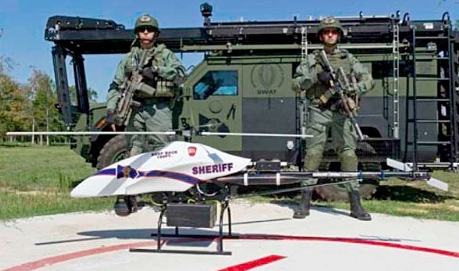 Police or storm troopers: What’s become of U.S. law enforcement?
 Encounter with friend reminds me: Self-improvement is path to change
 We’re all prisoners of a culture which demands that we conform
 Which side should we take in Syria? Let’s just mind our own business