I had one of those moments again recently.
I was watching a video on YouTube when I suddenly realized that I didn’t care about what I was seeing.
The video wasn’t bad. It wasn’t offensive. It wasn’t stupid. In fact, it was reasonably interesting. That was the problem.
I sat there for a moment and asked myself a question that has become increasingly common in the last few years: Why am I spending part of my life on this?
I don’t remember what the subject was. It could have been history. It could have been politics. It could have been science, culture, economics, theology or some obscure piece of trivia. The specific topic doesn’t matter because the pattern is always the same.
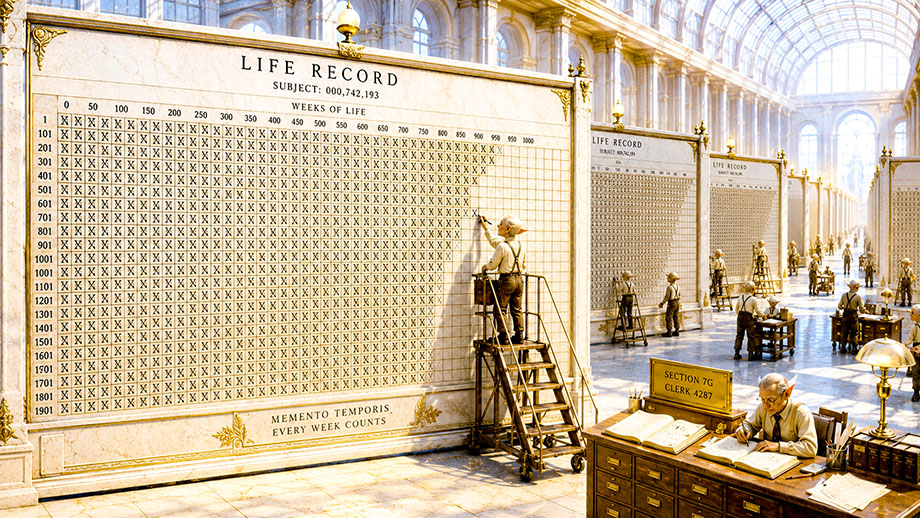
I start with something that I specifically want to know. Then another thing catches my attention. Then another. One link leads to another. One article leads to another. One video suggests another video. Before I realize what has happened, an hour has disappeared. Then another. And then I realize it’s 4 in the morning — and I’ve wasted hours.
The strange thing is that I wasn’t seeking entertainment.
Most discussions about distraction focus on entertainment. We imagine people wasting their lives watching mindless videos, scrolling through inane social media or consuming celebrity gossip or watching “reality TV.” Certainly some people do that, but that’s not my problem.
My problem is curiosity.
 What really caused me to run from a ‘haunted house’ long ago?
 Shingle reminds me what it felt like for someone to believe in me
 I felt shame for my lack of love, but God said, ‘You can do better’
 Have choice between two loves? Failing to choose may lose both
 Homeless man on a cold night leaves me with hard questions
 The right woman in a man’s life brings out the best he has to give
 Happiness and success elude me unless I’m doing something I love
 Hank Williams story reminds me I’ve always wanted to be a star
 News is just trivia, so why do we treat it as though it’s important?