In honor of what turned out to be the biggest story of the week, we have an all-chicken edition of Friday Funnies. Haven’t you ever wondered where boneless chicken comes from? How did anybody ever breed them to not have the bones? You’ll find the secrets at the fabled Boneless Chicken Ranch.

 Want to really understand someone? Visit the places that shaped his past
 This is my private confessional; the truths I write often scare me
 Your life is built from choices, while the days of your life go by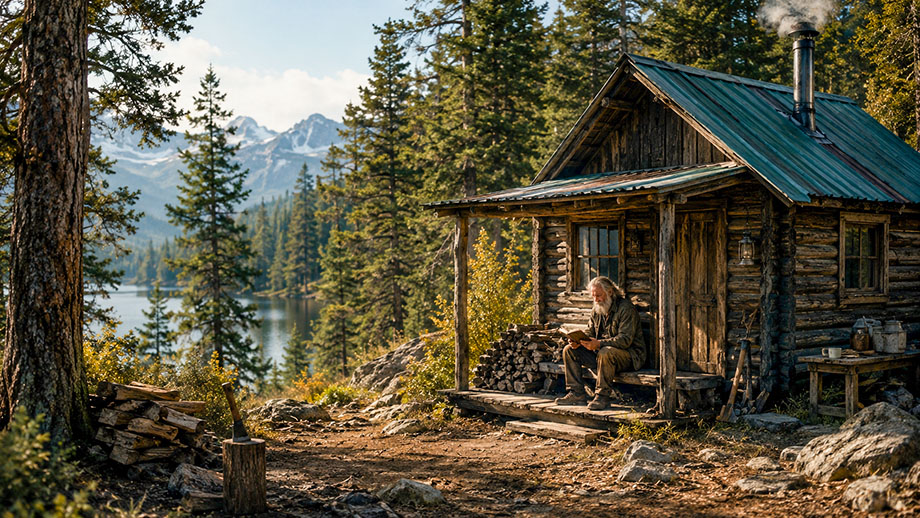
 Photo assignment in dimly lit gym kickstarted my love for basketball
 Be very afraid of men (or women) who question your patriotism
 Missing someone creates intense physical sensations in my heart
 Experience with God taught me that my theology was too small
 What do we prove with huge houses we can’t afford to pay for or even fill?
 Finding your own authentic voice is riskier than copying everybody else