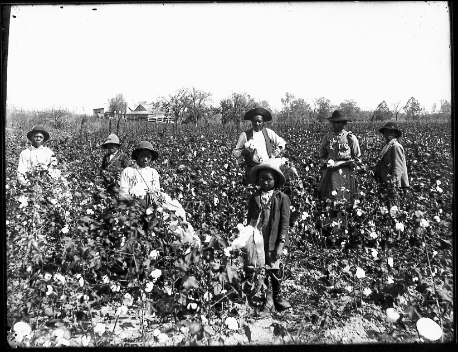
If you were a slave owner in the United States in the 19th century, you probably owed your wealth and continued income to the continuation of slavery. If someone made the case to you that slavery was morally wrong, your first thought probably would have been, “But if we free the slaves, who will pick the cotton?”
The idea of ending slavery was a scary thing to many people in Europe and North America in the 18th and 19th centuries. Many people owned human beings who had been brought from Africa in chains. Those people worked in their fields and did all sorts of manual labor for them. The idea was deeply ingrained in society and it was accepted by many people as right and moral.
The abolition movement was a challenge to all of that. The abolitionists didn’t try to explain to plantation owners how they could earn a living after the slaves were freed. They couldn’t offer completely pragmatic plans for how society was going to go through the transition from slavery to universal equality of rights among races.
They simply made the case that slavery was a moral abomination. Some of them used gentle persuasion. Some of them preached fiery sermons, but still advocated peaceful change. And some, such as John Brown, tried to spark slave rebellions through violent means.
 FRIDAY FUNNIES
 Cambodia prison photos remind me of man’s inhumanity to man
 THE McELROY ZOO: Here’s why Merlin enjoys autumn and spring
 For good or bad, we default back to what feels most familiar to us
 Our contradictory beliefs lead to irrational views, foolish decisions
 Once you’ve found the right love, build your whole world around her
 As our heroes grow old and die, it’s a reminder of our mortality
 I often need this warning label: ‘Does not play well with others’
 How do we often know things which we shouldn’t really know?


