One of my neighbors died two weeks ago today, but I didn’t know about it until a few hours after he was buried — four days later.
I’d lived across the street from William for many years. He’s cut my grass several times. I’ve given him rides to the store. I’ve chatted with his wife, Anna, and him when I’ve bumped into them at the grocery store. Every now and then, he would come over as I was getting home, just because he wanted someone to talk with.
So why did it take me so long to find out that William had died? And what does this imply about modern communities?
Every indication I see or read says that communities haven’t been as strong for the past couple of generations as they once were. Those same decades have been filled with incredible advancements in our living standards and options about life. Could it be that the choices we’ve been making are filled with tradeoffs that we’re not entirely sure we’re making? I suspect so.
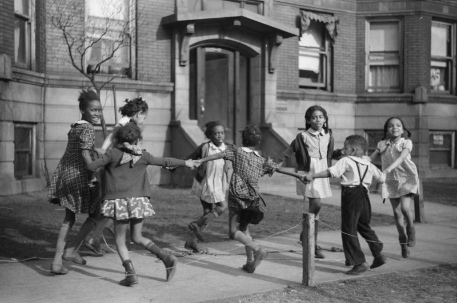
At one time, the people in communities and neighborhoods had to know one another, because they were all they mutually had. They didn’t have cars to drive to places across a city or state. They spent most of their time within a short distance of home.
They stayed outside more, because it wasn’t that long ago when normal people didn’t have air conditioning. (And it wasn’t too many years before that when air conditioning didn’t exist. I don’t know how people lived in the South at the time.) Children played outside. Adults worked outside and they sat around on porches and talked when they weren’t working.
 Why keep playing a game that’s impossible for you to win?
 We often don’t see who loves us until it’s too late to be an option
 Irony: Libyan rebels now rounding up blacks, sticking them into jails
 Don’t believe the words they say: Politicians revert to their incentives
 In a vulnerable moment, woman confesses she’s scared to change
 ‘Vote iPhone in 2012’: Let’s bring democracy to the phone world
 Class experiment is evidence: Folks want something for nothing