
People rarely change. Not really.
Our movies and novels and self-help books all seem to be based on the idea that personal change is common. Without serious character development in fiction, movies and novels would be boring. If a self-help book said, “Don’t bother, because you’re probably not going to change anyway,” nobody would buy it.
We’re culturally conditioned to believe that substantial change in a person is common, but reality is far different. And it’s even more rare when a person changes someone else — because humans aren’t puppets who can be controlled on the inside.
If I try to change someone else — even if we both agree the change is for the better — I’m very unlikely to succeed. It’s a foolish thing to try. Even if you do succeed, the person who’s forced the change will always hold a superior position — and that will never allow for a healthy and equal relationship.
Even though I know all this, I’ve tried it anyway. Not consciously, but I’ve done it, thinking I had the best of intentions. As recently as about five years ago, I tried to change a woman I dated — and it was a miserable failure for both of us.
 Love & Hope — Episode 14:
 Petty politics as usual just might be Chris Christie’s bridge to obscurity
 Autumn scents send subtle signals every year that it’s time for change
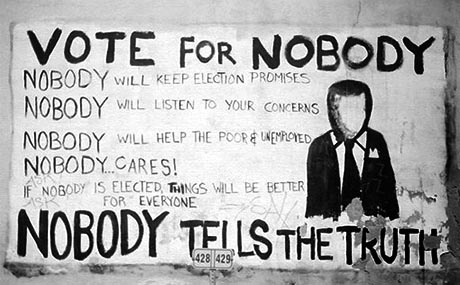 If you participate in sham of voting, you’re responsible for what it creates
 Goodbye, Lucy (2012?-2025)
 There are lessons for our lives in the joy and innocence of children
 I struggle to love a flawed world because I struggle to love myself
 Why do I suffer deep alienation when I fear I’m misunderstood?
 You finally have to stop making excuses for people who hurt you