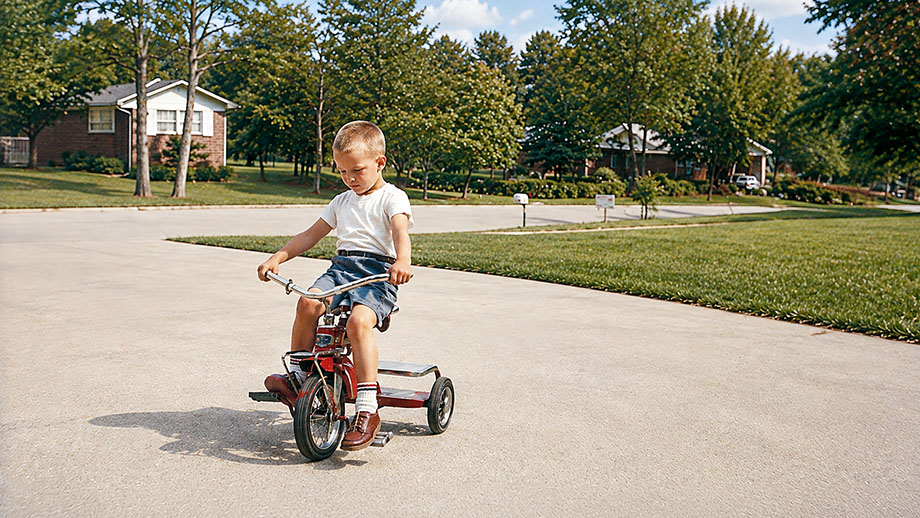
I started my life full of hope. I believed people were good and that my future was bright.
The world was some sort of ideal and rational place, at least in my mind. I learned to believe — in a way that isn’t clear to me anymore — that intelligence and hard work were always rewarded. I believed most other people were decent and well-meaning. They shared my values.
Somewhere along the way, I absorbed an unspoken promise about life.
If I was intelligent enough and worked hard enough and developed whatever gifts I had, there would be a place for me. The world would value what I had to offer. I would find people who shared my values. I would love and be loved.
I would find where I belonged. Nobody ever stated the promise quite that way. But I believed it.
Living an adult life is nothing like what my childhood led me to expect.
I’ve discovered that high intelligence is often a handicap, not a ticket to success. Shallow hearts and dishonest actions are often rewarded instead. Most of all, I’ve come to see that most people don’t share my values. They’re not much like me.
I see us as a shallow and unhappy culture which has focused so much on material advancement that we’ve overlooked the spiritual and emotional elements which are ultimately more important.
And I have become bitterly disappointed about all of this.
 Parody video: What do your cats do when you’re away from home?
 Sometimes we don’t really notice perfect match ’til it’s far too late
 Now that his wife is gone for good, man is left with memories and love
 Black? White? Brown? Santa Claus is any color you want to make him
 We learn how to make a living, but not how to make a good life
 I’m no longer a sharecropper working on a digital plantation
 Bumper sticker politics expresses anger, but what does it achieve?
 If you beg someone to make you his priority, you hurt yourself
 Police threaten to seize my camera for crime of public photography